
Director's Note
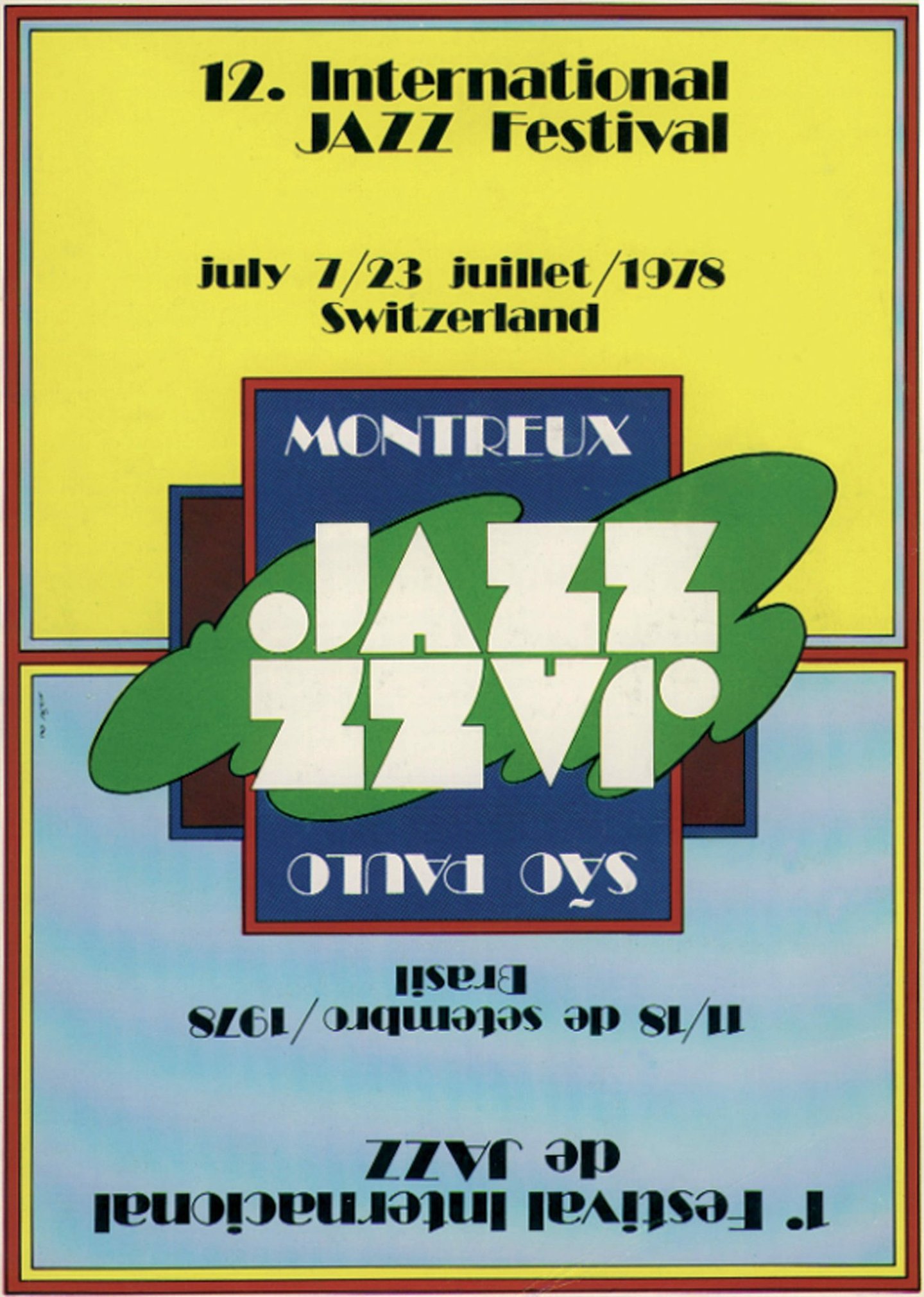
MONTREUX was born from a disturbance.
In 2017, driven by the political crisis sweeping through Brazil, I moved to Switzerland and found something unexpected at the Montreux Jazz Festival: a Brazilian memory more intact than any archive I had known in my own country..
While Brazilian music was being celebrated on a European stage, Brazil was electing a president who glorified the very dictatorship that had tried to silence that same music. It was in that displacement that I understood: the country’s relationship with its memory is not merely a cultural trait, but a structure that sustains its crises and shapes its difficulty in recognizing itself in the present.
I am Brazilian, Black, the daughter of Angolan refugees. I grew up hearing my parents sing in Umbundu — the language of our ancestors — whenever someone asked them to tell our story. Music was the answer that needed no translation.
That is how I learned that memory can survive even when everything around it tries to erase it — and also the price paid when it does not. For my family, preserving memory has always been a form of resistance. A way of affirming who we are, even when everything around us tries to erase us. MONTREUX was born from that same gesture.
Production
Co-production
Supported by







Contact
atendimento@doblechapa.com.br
Tilovita produções & Doblechapa © 2026. All rights reserved.