
Synopsis
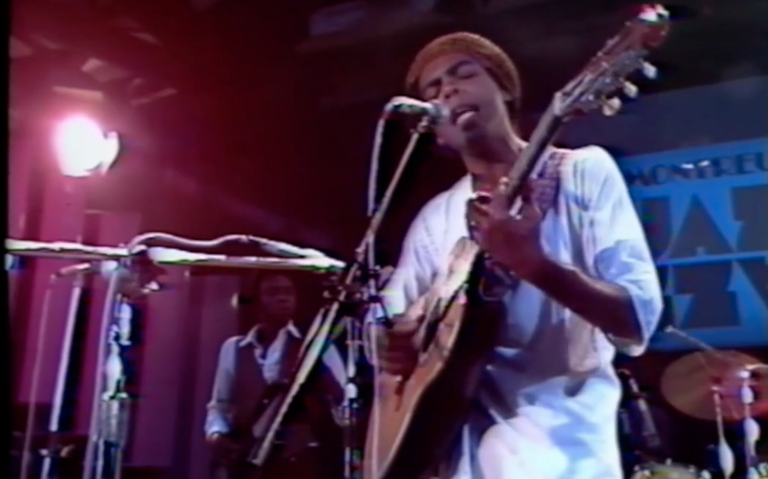
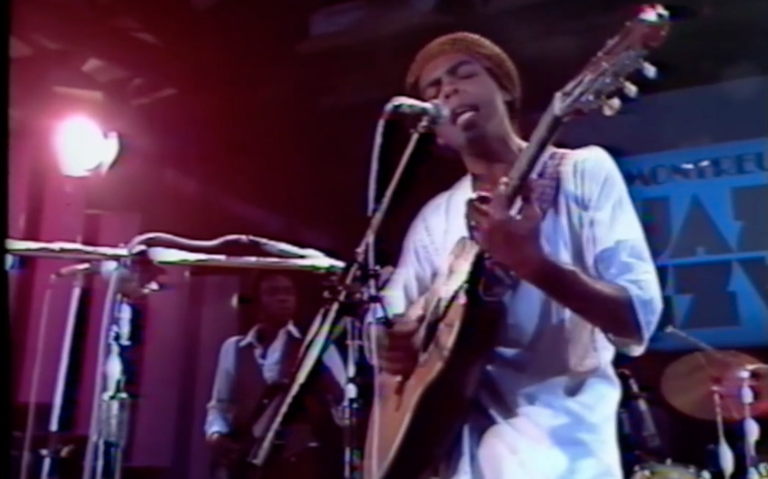
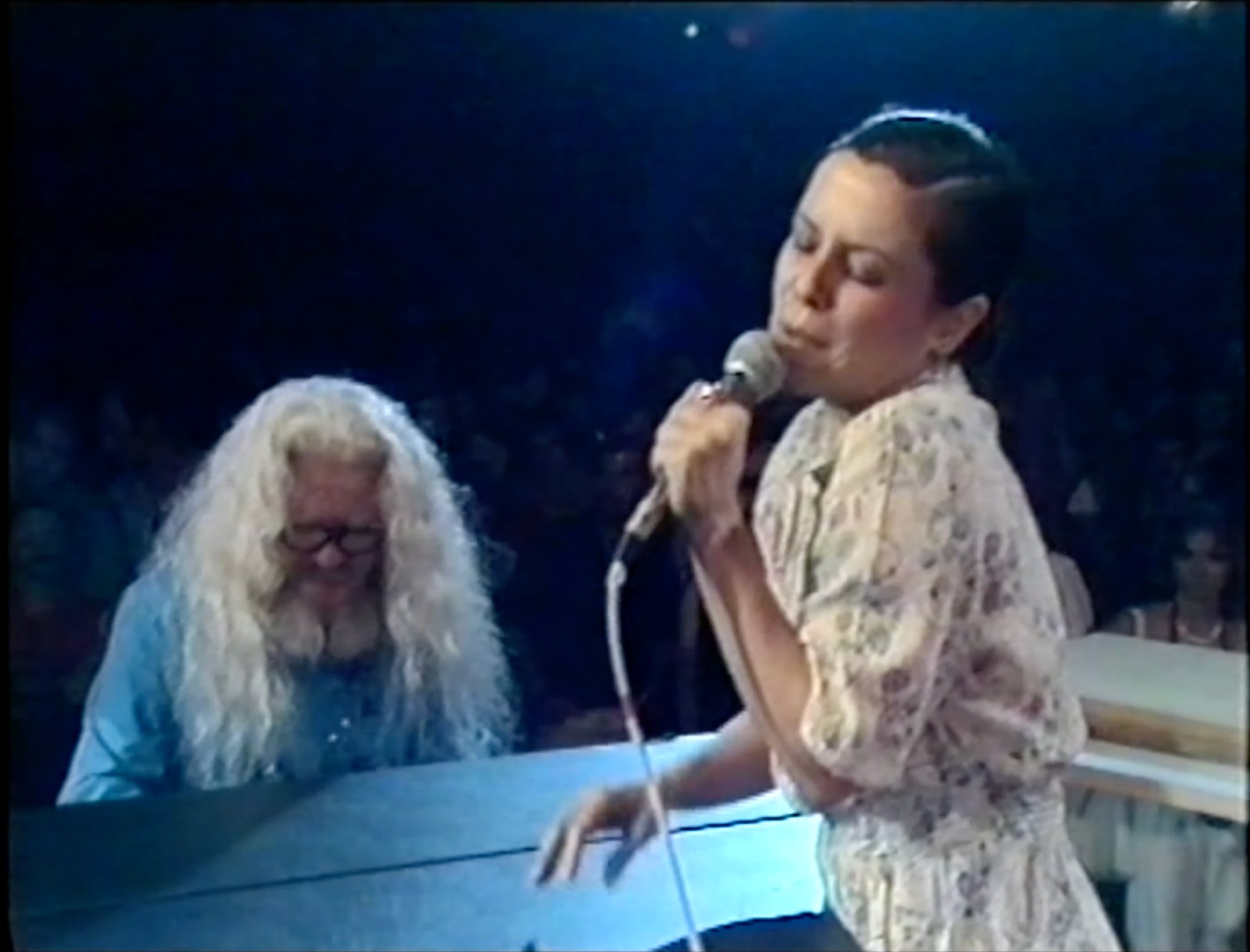
In 1978, Gilberto Gil walks onto the Montreux stage dressed in white. Before the first note, he introduces Oxalá to a European audience, affirming an Afro-Brazilian cosmology that Brazil’s dictatorship was trying to erase.
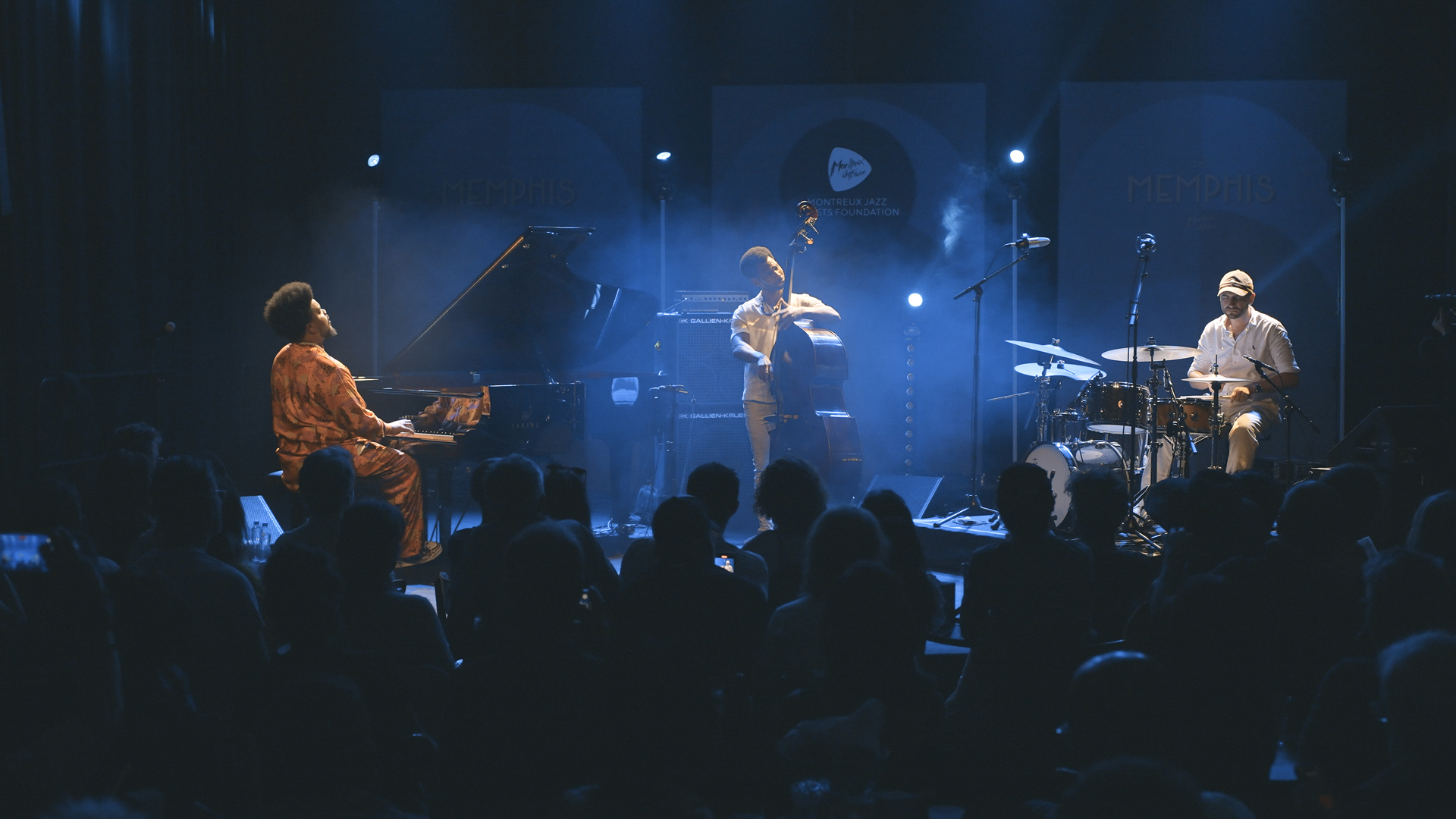
45 years later, pianist Amaro Freitas returns home after a standing ovation at the same festival. On the plane, a fellow Brazilian passenger asks if he plays in a pagode group. Decades have passed, governments have changed — but certain gazes remain.
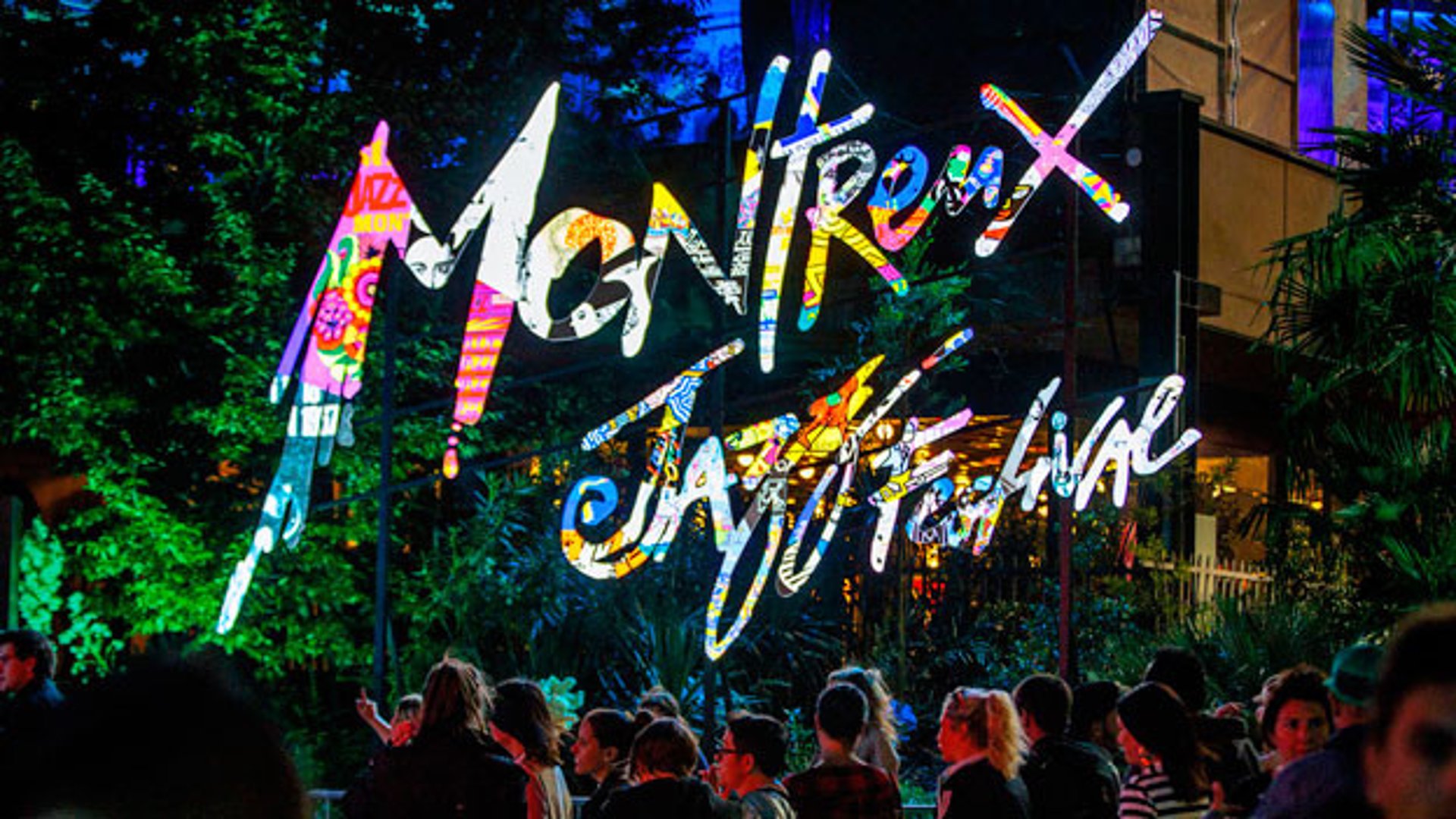
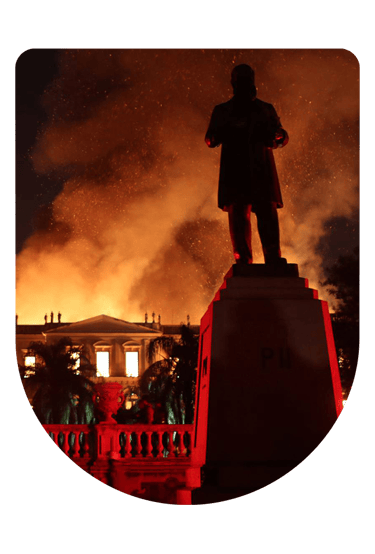
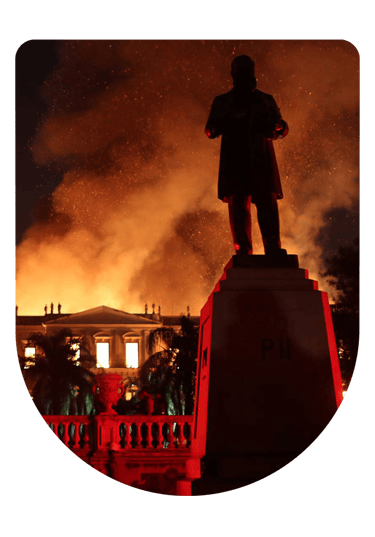
MONTREUX spans 50 years of recent Brazilian history through the world’s largest musical archive. While our museums burn, our memory survives on the shores of Lake Geneva. The film investigates that contradiction.



Hermeto Pascoal
Why this film ?
Brazilian music has never been mere entertainment. Over the centuries, it has established itself as a territory for building identity, memory, and political expression.
It is from this force — and from the paradox of a country that projects its culture onto the world while erasing its own memory — that MONTREUX takes shape to confront a central question: What do we do when we need to recognize ourselves in a memory that was kept outside of us?
MONTREUX mobilizes this material for the first time as historical and political testimony within a Brazilian cinematic narrative.

How is the film structured ?
MONTREUX uses music to traverse the last 50 years of Brazilian history, through an archive preserved outside the country. The film’s form is born from that very contradiction.
Rather than organizing a narrative about the past, the film creates a field of tension between times, geographies, and points of view. The editing connects the brilliance of the Swiss stage to the ashes of Brazilian museums, allowing the viewer to construct the meaning of that crossing. In this displacement, music ceases to be mere performance and begins to operate as a territory of existence.




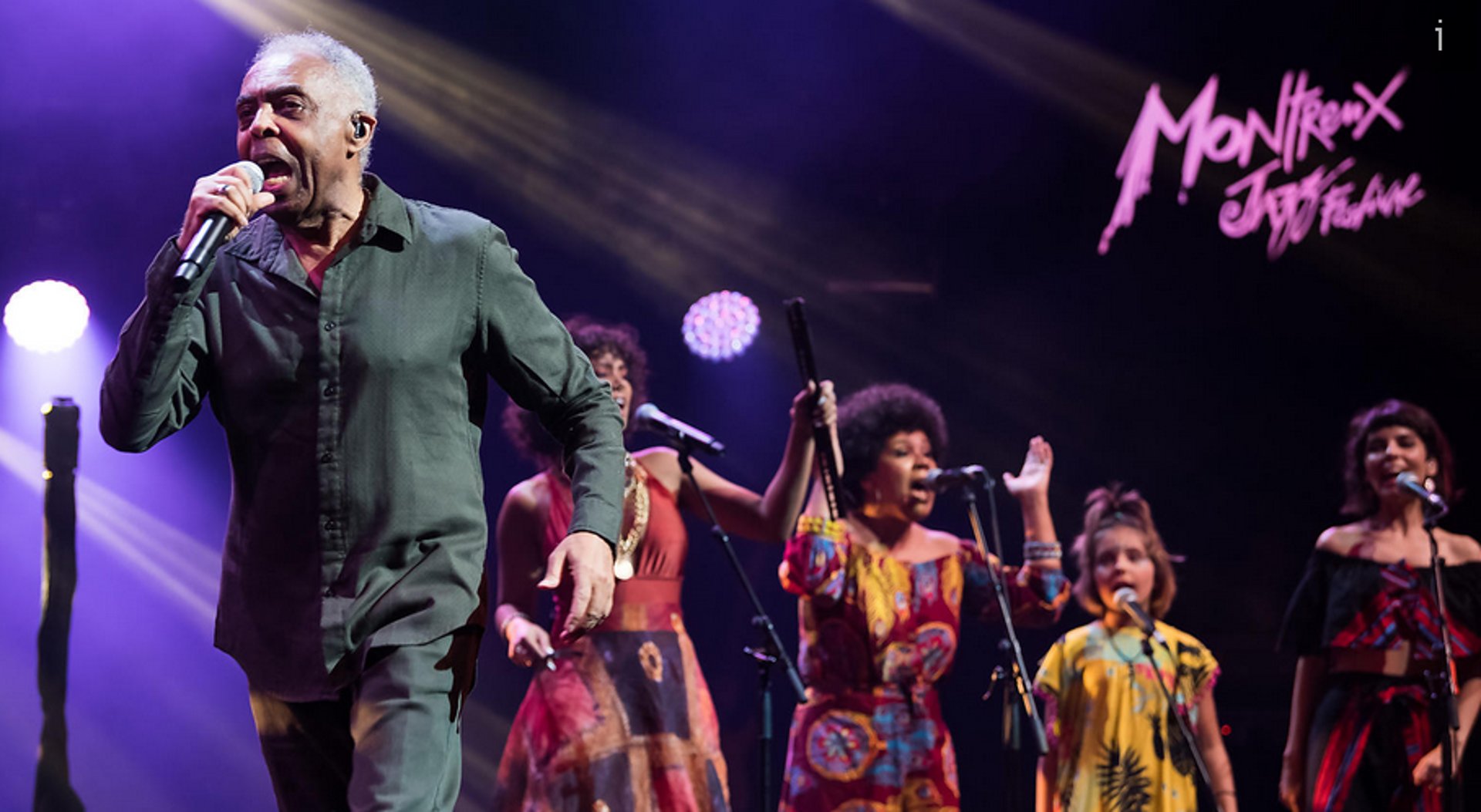
The film takes a choral form, bringing together different generations of artists, researchers, and journalists who have crossed the Montreux stage and Brazilian history. Gilberto Gil, Hermeto Pascoal, Ney Matogrosso, Daniela Mercury, Tulipa Ruiz, Amaro Freitas, and others compose a mosaic in which music reveals itself as affirmation, conflict, and living memory all at once
The narrative fabric is woven from three sources: footage from the festival’s archive, contemporary testimonies, and the lyrics of the songs themselves — treated not as a soundtrack, but as political documents.
Production
Co-production
Supported by






Contact
atendimento@doblechapa.com.br
Tilovita produções & Doblechapa © 2026. All rights reserved.